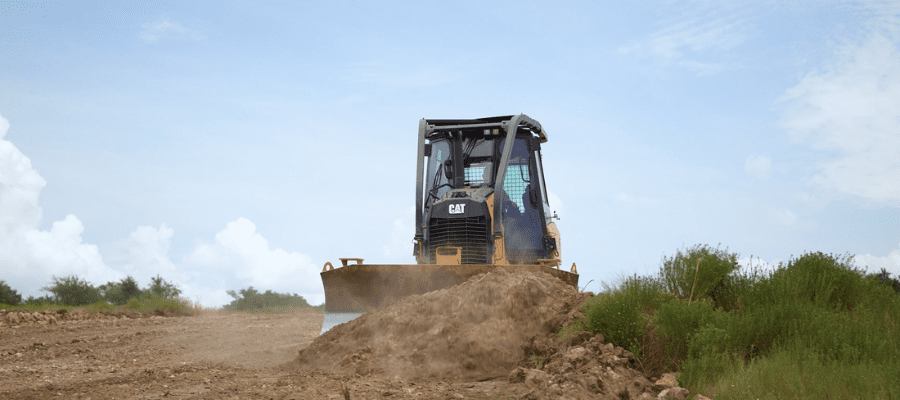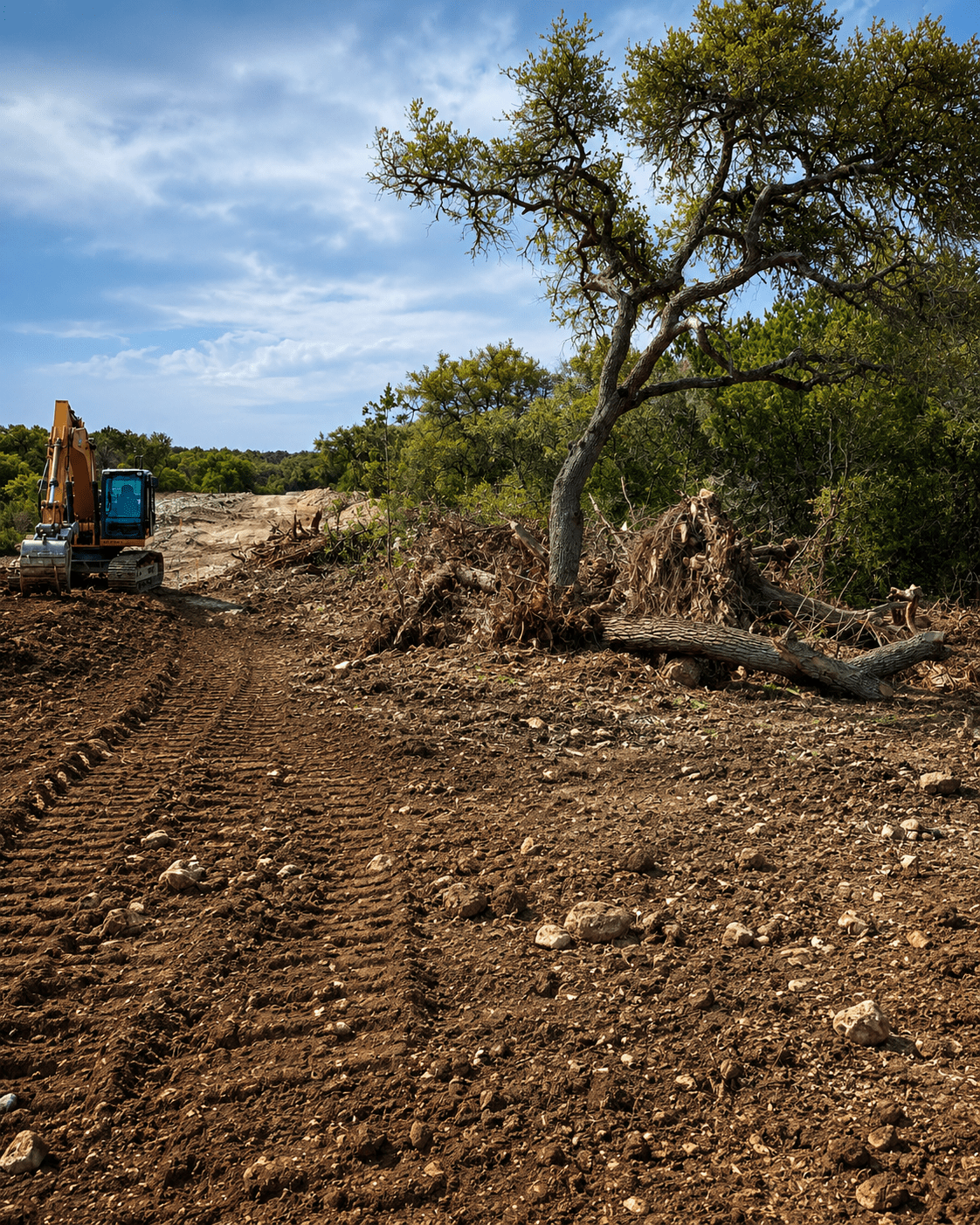
Ranch land clearing in Texas often looks like the same story repeated across thousands of properties: drive out to almost any Central Texas ranch that hasn’t been actively managed in the past decade, and you’ll find cedar that has choked out the pasture grasses, mesquite thickets that have swallowed the fence lines, and carrying capacity that has dropped sharply from what the land once supported. Brush doesn’t stay put. It spreads, shades out native grasses, blocks equipment access, and quietly drags down the productive value of your property every season you leave it alone.
The good news is that overgrown acreage is a solvable problem. Bar T Excavation, LLC is a full-service excavation and site prep contractor based in Lampasas that has been clearing ranch land across Central Texas for over 14 years, helping ranchers turn brush-choked pastures into working, manageable properties that actually earn their keep. The difference between a failed clearing job and a successful one usually comes down to choosing the right method, timing the work correctly, and hiring a crew that knows Texas terrain.
This guide covers all of it: the main clearing methods and when each one makes sense, realistic per-acre costs for 2026, seasonal timing and permit rules, what to do with your land once it’s cleared, and a straight checklist for vetting the contractor you hire.
What ranch land clearing in Texas actually involves
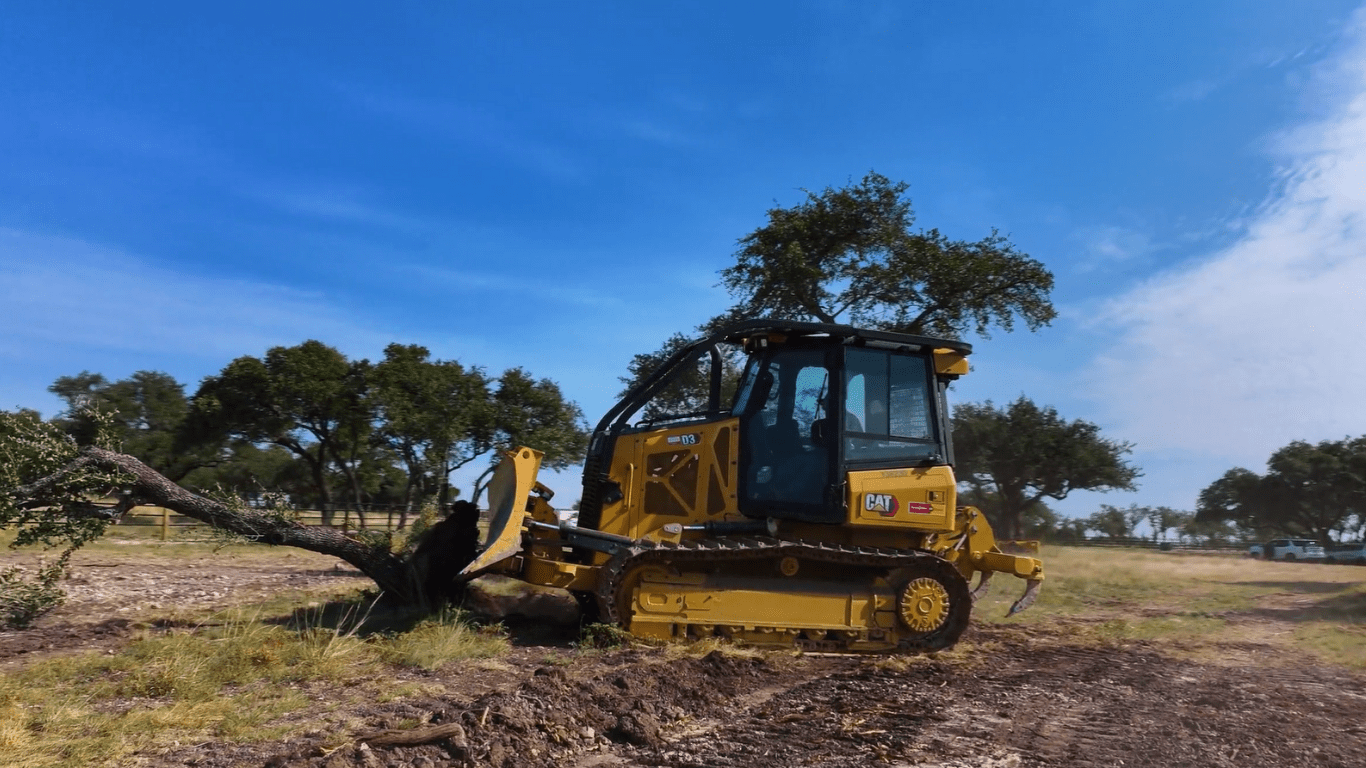
Most ranch owners picture clearing as a bulldozer knocking down everything in sight, but the process is more layered than that. A skilled contractor will first assess whether the goal is full removal or selective clearing, which means keeping mature live oaks or hardwoods while targeting invasive cedar, juniper, and mesquite. The equipment mix follows from that decision: forestry mulchers handle lighter brush efficiently, bulldozers push dense stands, skid steers work tight areas, and chainsaw crews handle selective cuts around keepers. Mid-size Texas ranch jobs commonly combine two or three equipment types depending on vegetation density and terrain.
Stump removal deserves its own conversation, especially with mesquite. Mesquite roots run deep and resprout aggressively if you only remove the trunk. Grinding handles surface stumps but leaves the root system intact. Full grubbing or root plowing extracts the root mass, which is more disruptive but more effective at preventing regrowth. On rocky caliche pasture common throughout Central Texas, grubbing depth is limited by stone, and that constraint affects both your clearing strategy and your equipment selection.
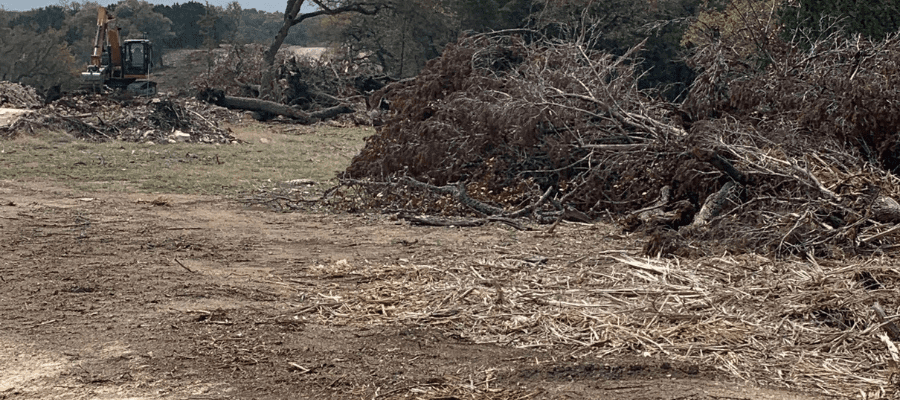
Once vegetation is down, you have two choices for debris: haul it off or mulch it in place. Haul-off requires cutting, piling, loading, and trucking to a disposal site, which adds time and cost but leaves you with a clean grade. Mulching leaves shredded material on the soil surface as ground cover, which reduces erosion but doesn’t give you the clean canvas that pasture seeding or pond construction requires. The cleanup method you choose directly shapes both your budget and your timeline for using the land.
Clearing methods compared: mulching, haul-off, and burning
Forestry mulching
Forestry mulching is the go-to method for cedar and juniper stands, fence-line clearing in Texas, and mixed brush where you want to protect the soil structure. A mulching head grinds vegetation into the ground in a single pass, meaning no burn piles, no haul cycles, and less erosion risk. Productivity runs roughly 2 to 4 acres per day in moderate conditions, which makes it fast and cost-effective on large acreage with light-to-medium brush. The limitation: mesquite with deep root systems will resprout from below, so mulching alone isn’t a complete solution on mesquite-heavy ground. For a detailed practitioner-oriented overview of the technique, read this forestry mulching guide.
Haul-away clearing
Traditional bulldozing and haul-away clearing is more aggressive but more thorough. It’s the right call when you’re converting land for pasture seeding, building a stock pond, or laying a ranch road where a clean, graded surface is the end goal. The tradeoff is time. Haul-off can often double the overall clearing timeline compared to mulching because every load of debris requires a separate cut-pile-load-haul cycle before grading, seeding, or construction can begin.
Controlled burns
Controlled burns are an option on Texas ranch land, but they come with strict rules. TCEQ’s outdoor burning regulation allows land-clearing burns only at the site where the material was generated. You cannot move debris to a different location just to burn it. More importantly, county burn bans can prohibit burns that would otherwise qualify under TCEQ exceptions, and across Central Texas in summer, those bans are common. Always verify your county’s current burn ban status before scheduling a burn by checking your local guidance, for example the county outdoor burning rules, and consult the statewide Texas open burning rules and regulations for the detailed legal framework that governs land-clearing burns.
Cost drivers for ranch land clearing in Texas
The biggest cost variables in Texas brush clearing are vegetation density, tree size, root system depth, terrain, and how easily equipment can access the site. A 10-acre cedar stand on flat, open ground clears much faster than the same acreage of dense mesquite on rocky caliche with no equipment road. Mesquite adds cost not just because of its root system but because effective removal often requires a follow-up herbicide treatment to prevent regrowth, which is a separate budget line that first-time clearing clients frequently overlook.
Here are realistic 2026 per-acre cost ranges for ranch land clearing in Texas by method and vegetation density:
- Forestry mulching: $1,500, $2,500 per acre for light brush; $2,500, $4,000 for medium vegetation; $4,000, $6,000 for heavy brush; $6,000, $10,000 or more for heavy wooded conditions.
- Haul-away clearing: $1,500, $3,000 per acre for light brush; $2,500, $4,500 for medium vegetation; $4,500, $8,500 for heavy forest; $7,000, $15,000 or more for very dense, wooded lots.
- Full tree removal: $4,500, $8,500 per acre for heavy forest, with the densest sites pushing well above that.
Multi-acre jobs typically get volume pricing. Clearing 100 acres will generally cost considerably less per acre than a 5-acre lot. One cost that often disappears from initial bids is debris disposal. Ask your contractor specifically whether disposal fees are included, where the debris goes, and whether that cost changes if site access is difficult. Getting that confirmed in writing before the job starts prevents a frustrating conversation at invoice time.
Best time of year to clear and what Central Texas terrain demands
Fall and winter, roughly October through February, are the best windows for ranch land clearing in Texas. Vegetation is dormant, which means cedar and mesquite are less actively growing and more efficiently removed. Ground conditions are firmer after the summer heat cycle, which is easier on heavy equipment. Fire risk is lower, burn bans are less likely, and the cooler weather is easier on both crews and machinery.
Spring clearing works for mulching-only jobs but carries a risk: disturbed soil after winter clearing can become a landing pad for invasive grasses and weeds that establish quickly in warm spring conditions. Summer clearing is possible but is the hardest season to work in. Burn bans are frequent, heat stresses equipment and operators, and dry soil conditions increase erosion on freshly cleared ground. If you have flexibility, fall is the right call.
Central Texas soil demands specific knowledge. Caliche-heavy soils limit grubbing depth and can push contractors toward surface mulching over full root extraction. Hill Country rock outcroppings require selective approaches rather than aggressive dozing. Clay-heavy bottomland near creek draws holds water and can create equipment bogging issues. Mesquite’s regrowth cycle means clearing in late fall slows the immediate resprout pressure, but a targeted herbicide follow-up is usually necessary regardless of what season you clear. Land-clearing contractors in Texas who have worked Lampasas County and the surrounding Hill Country for years factor these specifics into their approach, and that local knowledge is genuinely worth something on a complex site.
What to do with cleared land: pasture, ponds, and ranch roads
Cleared land is raw potential, and the next step depends on your goals. For pasture expansion, the process runs from cleared ground through rough grading to remove root debris, topsoil application if needed, and seeding with adapted grasses like coastal bermuda or a native mix suited to your soil type. The financial return is direct: increased carrying capacity and reduced hay dependency. That’s a meaningful advantage when hay prices across Texas have stayed elevated through 2025 and into 2026, according to USDA agricultural market reports.
Building a stock pond becomes significantly more practical once land is cleared. A cleared site gives your excavation crew the access and sight lines needed to locate the best pond position, assess watershed area, and confirm whether the soil has enough clay content for a natural seal. Pond site prep and excavation are frequently bundled together as a single scope of work with a full-service contractor, which keeps coordination simple and can save money compared to hiring separately.
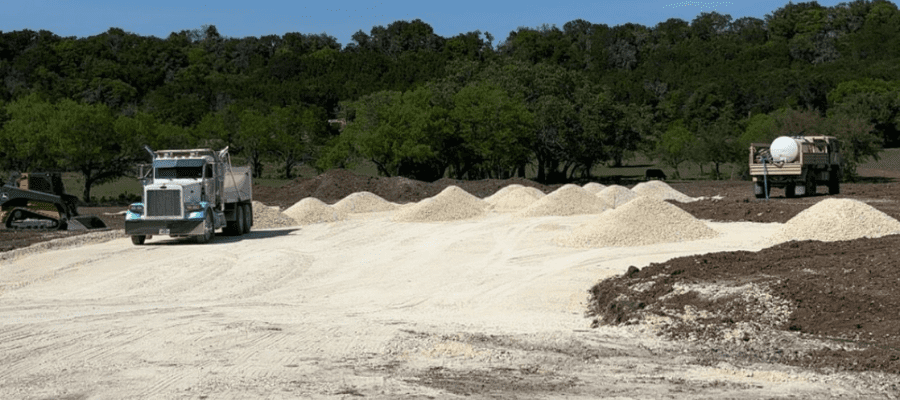
Ranch roads start with cleared land, a properly compacted base, and drainage planning that accounts for your specific terrain. A well-graded all-weather road means you can get equipment, livestock trailers, and hay deliveries in and out regardless of conditions. A full-service contractor who handles clearing through road construction as a connected workflow is the practical approach to ranch site development, rather than treating each phase as a separate project.
How to vet and hire the right land-clearing contractor in Texas
Insurance is the first filter. Before you sign anything, ask for a certificate of insurance showing commercial general liability (at minimum $1 million per occurrence), workers’ compensation, commercial auto, and equipment or inland marine coverage. A contractor who hesitates on this request is a contractor worth walking away from. Equipment ownership matters too: crews who own and maintain their own fleet have direct control over scheduling and mechanical delays, which matters when you’re trying to hit a weather window or a seasonal deadline. For more on required protections and why contractors need coverage, see this article on why Texas land clearing contractors need insurance coverage.
Experience with ranch-specific work is different from residential lot clearing. Fence-line clearing near livestock, pond site prep, and work on rocky terrain requires judgment that comes from doing it repeatedly, not just owning a mulcher. Bar T Excavation, LLC brings deep experience in Central Texas ranch work, from selective cedar clearing to full acreage conversions, and that ground-level familiarity with Hill Country terrain protects your fence lines, water features, and neighboring property lines during a job.
When you’re reviewing bids for your Texas land-clearing project, ask these questions directly:
- What exactly is included: stumps, haul-off, final cleanup, and permit coordination?
- Who handles debris disposal, and where does it go?
- How will you protect existing fences, water tanks, and neighboring property lines?
- What permits does this project require, and who is responsible for obtaining them?
- Can you provide references from similar ranch or acreage clearing jobs in Texas?
- How do you handle unexpected conditions like buried debris, rock outcroppings, or unmarked utilities?
A contractor who answers those questions clearly, with specifics rather than generalities, is one who has done this work enough times to know where jobs go sideways. That confidence is what you’re paying for. For additional reading on best seasonal approaches and broader clearing topics, our Land Clearing Archives collects relevant project notes and case studies.
Getting your Texas ranch acreage cleared the right way
The core decisions are straightforward once you understand the variables. Match your clearing method to your vegetation type and your end-use goal. Mesquite-heavy land needs mechanical removal plus a herbicide follow-up; dense cedar stands are a strong fit for forestry mulching in Texas; full pasture conversion requires cut-and-grade work, not just a mulching pass. Budget using the 2026 per-acre ranges, confirm that debris disposal is included in the quote, and plan your timeline for fall or early winter when conditions work in your favor.
Ranch land clearing is an investment that pays back in usable pasture, reliable equipment access, improved carrying capacity, and improved property value. Cleared and prepared acreage is generally more usable and marketable than brush-choked land, though actual value gains depend on the specific property and market conditions.
If you’re in Central Texas and ready to move forward, Bar T Excavation, LLC has the equipment, the crew experience, and the local terrain knowledge to handle this job from first cut to finished grade. Reach out for an honest assessment of your site and a clear, itemized quote before any work begins.